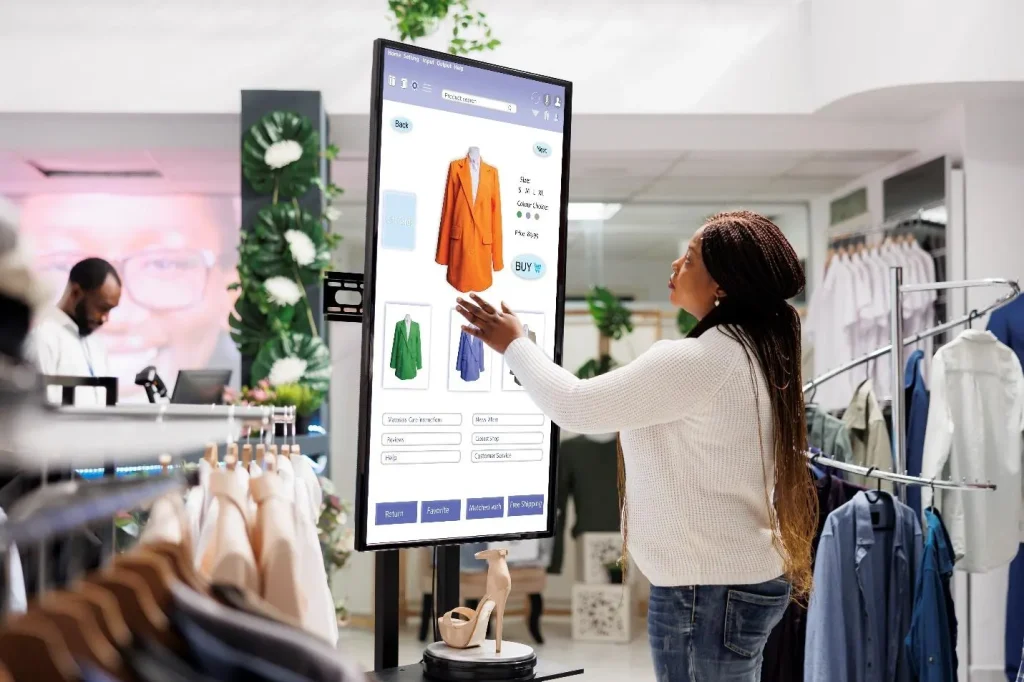
Digital signage and print signage are two distinct formats for conveying visual information, advertisements, and directions. Both formats have distinct advantages and disadvantages and serve different audiences in marketing and advertising.
However, combining these two channels can help businesses develop a balanced, hybrid communications strategy that maximizes visibility, reduces costs, and drives sales effectively.
Have you been wondering about the benefits of using these two formats together? You are in the right place. In this business guide, we will outline the top five benefits of using both digital and print signage.
Maximized Audience Reach
One of the primary benefits of using digital and print signage is that it maximizes audience reach. Using both mediums ensures your message reaches 100% of your target market by catering to different viewing habits.
While dynamic digital screens capture the attention of fast-moving, tech-savvy consumers, physical point-of-purchase signage remains highly effective at attracting attention and avoiding the physical discomfort of screen fatigue. Thus, deploying them together ensures no demographics are missed.
Reinforced Brand Trust and Recall
Another critical benefit of using them together is that they reinforce brand trust and recall. The dual approach combines modern innovations with established credibility to maximize customer recall of your business.
Digital displays give your brand a high-tech, forward-thinking edge, while high-quality content anchors your space with a sense of experimentation, professionalism, and stability. According to an online study, these two methods can boost information recall rates up to 83%.
Full-Funnel Customer Journey Coverage
Integrating digital and print signage channels enables the business to guide customers seamlessly from initial awareness to the final purchase, covering the full funnel efficiently. The digital screen works best at the top of the funnel by grabbing attention on the street and drawing people in with flashing promotions.
Indoor and permanent printed signage take them over the bottom of the funnel by providing effective ways to display menus, boards, and detailed product descriptions right at the point of purchase.
Optimized Cost Efficiency
Using both digital and print signage together helps the business optimize cost efficiency. A hybrid strategy reduces long-term marketing expenses by aligning content with the most cost-effective medium.
Digital networks absorb the high costs of frequent, temporary promotions by letting you update daily deals or flash sales instantly, without incurring printing fees. Meanwhile, traditional print assets provide an affordable, electricity-free solution for foundational branding elements, such as logos and operating hours, that remain unchanged.
Multi-Sensory Marketing Impact
Pairing these technologies creates a rich environment that fosters stronger emotional connections with your customers. Digital screens engage audiences through motion, bright animations, and integrated audio cues that capture attention.
But print signage complements this by appealing to the sense of touch through premium textures, matte or glossy finishes, and dimensional materials such as wood or metal, leaving a lasting impression that a single medium cannot achieve.
Bottom Line
Digital and print signage are two distinct marketing, promotional, and critical tools that can be used to promote your business’s success. Combining these two techniques enables businesses to expand their success in the right direction, strengthen brand trust, serve the full funnel, optimize costs, and create a multisensory marketing impact.