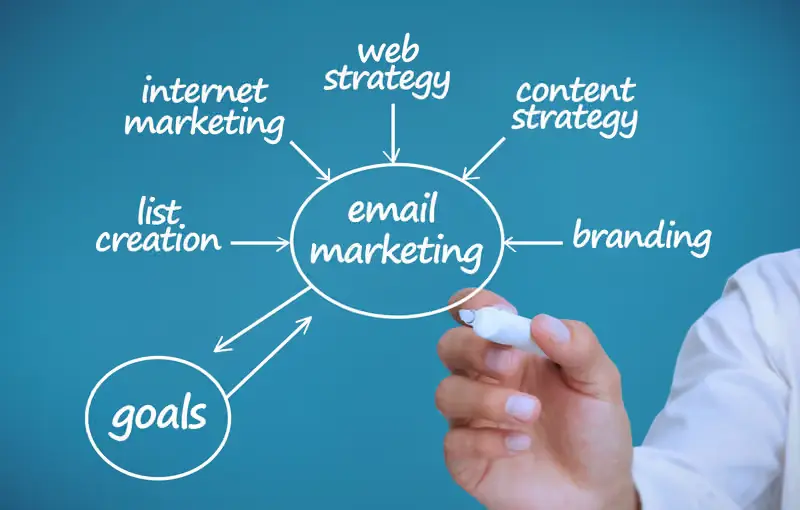
You spend hours preparing an email campaign, polishing the subject line, and choosing an offer your audience should care about. You press send, expecting traffic and sales, but the results barely move. Some subscribers never see the message, others ignore it, and only a small group clicks through. It is frustrating because the problem may not be the offer itself. The email could be reaching the wrong people, landing in spam, or failing to give readers a clear reason to act. Successful email marketing depends on more than sending a message to a large list. It requires a healthy sender reputation, relevant audience segmentation, useful content, and a clear path from inbox to landing page. When these elements work together, email blast marketing deliverability improves, engagement becomes more meaningful, and each campaign has a better chance of contributing to business growth.
Understanding Email Blast Marketing Beyond Mass Sending
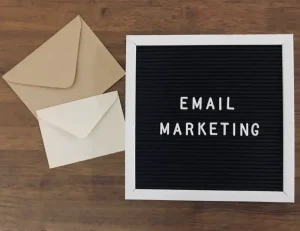
Email blast marketing refers to sending one campaign to a group of subscribers at the same time. Businesses use it to announce new products, share promotions, distribute newsletters, communicate updates, and encourage repeat purchases. Although the format can reach many people quickly, sending the same message to every subscriber is rarely the most effective approach.
The term “blast” can suggest volume over relevance, but a successful campaign should prioritize the relationship between the message and its recipients. A loyal customer, a new subscriber, and someone who has not opened an email in six months may have very different needs. Sending them identical offers can waste opportunities and increase the likelihood of unsubscribes or spam complaints.
A better approach combines the efficiency of a campaign sent at scale with the relevance of targeted communication. Marketers can create a shared campaign concept while adjusting content, offers, or calls to action for different groups. This allows a business to maintain consistency without treating every subscriber as though they have the same interests.
Campaign performance should also be judged beyond the number of emails sent or opened. Delivery, inbox placement, clicks, conversions, unsubscribes, and complaints each reveal something different. A message accepted by a receiving server is not necessarily placed in the inbox, and an opened email does not automatically lead to a purchase. Understanding these distinctions helps marketers identify the real barriers to performance.
Improving Deliverability and Protecting Sender Reputation
Email deliverability determines whether campaign messages successfully reach recipients’ inboxes rather than being rejected, filtered into spam, or placed somewhere less visible. Strong deliverability begins long before a campaign is sent. It depends on technical authentication, list quality, sending behavior, recipient engagement, and the reputation associated with the sending domain.
Authentication, Domain Reputation, and Inbox Placement
Email authentication helps receiving systems verify that a message is authorized to come from the domain it claims to represent. Three important standards are SPF, DKIM, and DMARC. SPF identifies servers permitted to send mail for a domain. DKIM adds a cryptographic signature that helps receiving systems verify message integrity and domain association. DMARC tells receiving systems how to handle messages that fail authentication checks and provides reporting capabilities.
These records need to be configured correctly for the actual sending infrastructure. Businesses using several email platforms should check that authorized sending services are accounted for and that their authentication arrangements work together. Incorrect DNS records, conflicting configurations, or an overlooked sending domain can undermine campaign performance even when the email content is excellent.
Authentication alone does not guarantee inbox placement. Mailbox providers also consider sending reputation, complaint rates, recipient engagement, and other signals. A domain that sends relevant messages consistently may develop a healthier reputation than one that suddenly sends a large volume to an old or poorly maintained list.
Marketers should monitor delivery errors, spam complaints, and provider-specific reporting where available. A sudden decline in inbox performance deserves investigation rather than an immediate increase in sending volume. Review authentication, recent list changes, campaign frequency, and engagement patterns to identify possible causes.
List Hygiene and Responsible Sending Practices
An email list loses value when it contains invalid addresses, outdated contacts, or people who no longer want to receive messages. Regular list hygiene reduces avoidable delivery failures and helps marketers focus on subscribers who are more likely to engage. Remove hard bounces, respect unsubscribe requests promptly, and investigate repeated temporary delivery failures before continuing to send.
Never purchase email lists or assume that a publicly available address grants marketing permission. Purchased lists often contain people who have no relationship with the sender. This can lead to complaints, poor engagement, and reputational damage. Build the list through transparent sign-up forms, relevant offers, customer preferences, and clear explanations of what subscribers will receive.
A sudden campaign to a large, inactive audience can also create problems. If a business has not emailed subscribers for a long time, it should assess list age, consent records, and engagement before resuming regular campaigns. Sending smaller, relevant campaigns to appropriate segments is generally a better starting point than mailing everyone at once.
Consistency matters, but there is no universal sending frequency that suits every audience. Monitor complaints, unsubscribes, engagement, and conversion outcomes to determine whether the schedule is appropriate. The aim is to establish an expected communication pattern without overwhelming subscribers or disappearing for so long that they no longer recognize the sender.
Audience Segmentation That Makes Every Message More Relevant
Segmentation divides an email list into groups based on characteristics or behaviors that help marketers send more relevant messages. Instead of relying on one generic campaign, a business can adapt its message to subscriber interests, purchase history, engagement, and stage in the customer journey.
Basic segmentation may use location, language, customer status, or sign-up source. More advanced approaches consider browsing behavior, previous purchases, product preferences, and interactions with earlier campaigns. The right method depends on the business model and the quality of the available data. Collecting more information is not automatically useful if the organization cannot apply it responsibly.
Behavioral and Lifecycle-Based Segmentation
Behavioral segmentation uses actions to understand what subscribers may need next. A customer who recently purchased a product may benefit from setup instructions or complementary recommendations. Someone who repeatedly visits a product category might appreciate a comparison guide. A subscriber who clicks educational content but has not purchased may need additional information before receiving a sales-focused offer.
Lifecycle segmentation considers the relationship between the subscriber and the business. New subscribers may need an introduction to the brand and its most useful resources. Active customers may respond to relevant product updates or loyalty benefits. Long-term inactive subscribers may need a preference update or a carefully designed re-engagement campaign.
These segments should reflect genuine differences in customer needs. Sending a discount to every inactive subscriber can reduce margins without addressing the reason they stopped engaging. A better campaign might ask whether their preferences have changed, offer more relevant content, or provide a simple way to adjust email frequency.
Segmentation also requires sensible data practices. Use information that subscribers have reasonably provided or agreed to share, and avoid making intrusive assumptions from limited behavior. Relevant personalization should feel helpful rather than unsettling. When people understand why they are receiving a message, they are more likely to see it as a useful part of the relationship.
Personalization Without Unnecessary Complexity
Personalization goes beyond inserting a subscriber’s first name into the subject line. It can mean showing a product category relevant to previous purchases, adapting a message to a subscriber’s preferred content, or offering different resources to different stages of the buying journey.
The most effective personalization starts with a clear business question. If customers who buy a particular product often need a related accessory, a targeted follow-up may be useful. If subscribers join through different educational topics, separate content recommendations may improve relevance. Each variation should have a reason to exist and a measurable purpose.
Avoid creating so many segments that campaigns become difficult to maintain. Excessive segmentation can produce small groups, inconsistent messaging, and operational overhead without meaningful performance gains. Begin with a few segments tied to clear needs, measure their outcomes, and add complexity only when the data justifies it.
Data accuracy is equally important. Incorrect purchase records, outdated preferences, and incomplete customer profiles can make personalized messages confusing. Before scaling a segmentation strategy, confirm that the underlying data is reliable and that each segment can be updated as subscriber behavior changes.
Creating Emails That Earn Clicks and Encourage Action
Once a message reaches the inbox and matches the audience, the content must earn attention. Subscribers often decide within seconds whether an email deserves their time. A strong subject line sets an accurate expectation, while the opening lines explain why the message matters. The rest of the email should deliver value without making readers work unnecessarily hard.
Subject lines should be specific and honest. A promise of a practical guide, a relevant offer, or a useful update gives readers a clear reason to open the message. Misleading urgency may produce short-term attention, but repeated exaggeration can damage trust. The preview text should complement the subject line instead of repeating it.
The body should focus on one primary objective. An email promoting a new product, sharing a research report, and advertising three unrelated offers can leave subscribers unsure what to do. Supporting links may still be useful, but one main call to action should receive the clearest emphasis. Use direct language that describes the benefit, such as exploring a product comparison or reading the full guide.
Mobile readability is essential because many subscribers read email on phones. Use short paragraphs, clear headings where appropriate, readable text, and buttons that are easy to tap. Important information should not depend entirely on images, since some email clients block images or display them differently. Include meaningful alternative text and make sure the message remains understandable when visual elements are unavailable.
The landing page must also match the promise made in the email. If the campaign offers a particular discount, the page should make that offer easy to find. If the email promotes a guide, readers should be able to access it without navigating through unrelated pages. A compelling email cannot compensate for a confusing or slow destination.
Click-through growth comes from reducing friction and improving relevance. Review which links attract clicks, whether readers complete the intended action, and whether the landing page delivers what the email promised. More clicks are useful only when they represent genuine interest and contribute to the campaign’s objective.
Measuring Campaign Performance and Testing for Continuous Growth
Effective email marketing requires a measurement system that separates delivery problems from content problems. Delivery rate can show how many messages were accepted by receiving servers, but it does not prove that they reached the inbox. Inbox placement data, when available, provides a more direct view of where messages appear. Bounce rates and complaint rates help identify technical or list-quality issues.
Click-through rate measures the proportion of delivered or received messages that produce clicks, depending on the reporting platform’s definition. Click-to-open rate compares clicks with recorded opens, but it should be interpreted cautiously because privacy features and automated activity can distort open data. Conversion rate, revenue per campaign, and unsubscribe rate provide additional evidence of whether a campaign creates value.
Use consistent definitions when comparing campaigns. If one report calculates click-through rate using delivered emails and another uses total sends, the figures may not be directly comparable. Keep the measurement method stable and evaluate performance alongside audience size, campaign purpose, and segment characteristics.
Testing can uncover improvements that intuition alone may miss. Marketers can compare two subject lines, test different calls to action, or examine whether a shorter email produces better conversions. Each test should focus on a clear hypothesis. Changing the subject line, layout, offer, and audience simultaneously makes it difficult to determine which factor influenced the outcome.
Test results also need enough data to support a reasonable conclusion. A small difference from a limited number of recipients may be random rather than meaningful. Where possible, run controlled tests with comparable groups and a defined success metric. Consider downstream conversions as well as clicks so that a version generating low-quality traffic is not mistakenly declared the winner.
Campaign analysis should lead to specific action. If delivery declines, investigate authentication, list quality, and sending reputation. If delivery remains healthy but clicks fall, review relevance, message clarity, and the offer. If clicks increase but conversions decline, examine the landing page and the expectations established by the email.
This diagnostic approach makes email blast marketing deliverability part of a broader improvement process. Rather than treating every campaign as an isolated send, use results to improve the next one. Over time, the combination of better audience selection, clearer messaging, and reliable measurement can increase campaign efficiency without requiring a larger list or more frequent emails.
Conclusion
Email blast marketing can help businesses reach large audiences efficiently, but scale alone does not create results. Strong performance depends on reaching the inbox, sending relevant messages, respecting subscriber preferences, and making the next action clear. Authentication and list hygiene protect the foundation, while segmentation and personalization help ensure that each campaign serves a real audience need.
The most effective strategy combines reliable sending practices with ongoing measurement. Track delivery problems, engagement, clicks, conversions, and complaints, then use the findings to improve specific parts of the campaign. When businesses focus on trust and relevance instead of volume alone, email marketing becomes a more dependable way to strengthen customer relationships and generate meaningful growth.
Frequently Asked Questions
1. What is email blast marketing deliverability?
Email blast marketing deliverability describes how effectively campaign emails reach recipients’ inboxes instead of being rejected, filtered into spam, or placed in other folders. It depends on authentication, sender reputation, list quality, subscriber engagement, and responsible sending practices. High delivery rates do not necessarily guarantee strong inbox placement.
2. How can I improve email deliverability quickly?
Start by checking SPF, DKIM, and DMARC configuration, removing invalid addresses, honoring unsubscribe requests, and reviewing complaint and bounce rates. Avoid purchased lists and sudden increases in sending volume. If performance has dropped sharply, investigate the cause before sending another large campaign.
3. How does audience segmentation improve email click-through rates?
Segmentation allows marketers to send messages that better match subscribers’ interests, behavior, and customer lifecycle. Relevant offers and useful information give recipients a stronger reason to click. The benefit depends on accurate data and meaningful group definitions, not simply creating as many segments as possible.
4. What is a good email click-through rate?
There is no single click-through rate that defines success across every industry and campaign type. Results vary by audience, offer, email purpose, and measurement method. Compare campaigns with similar goals and examine conversions alongside clicks to determine whether engagement is producing meaningful business outcomes.
5. How often should businesses send email blast campaigns?
The right frequency depends on subscriber expectations, content value, and business objectives. Send often enough to remain useful and recognizable, but avoid overwhelming recipients. Monitor unsubscribes, complaints, and engagement trends, and give subscribers clear options to manage their preferences when appropriate.